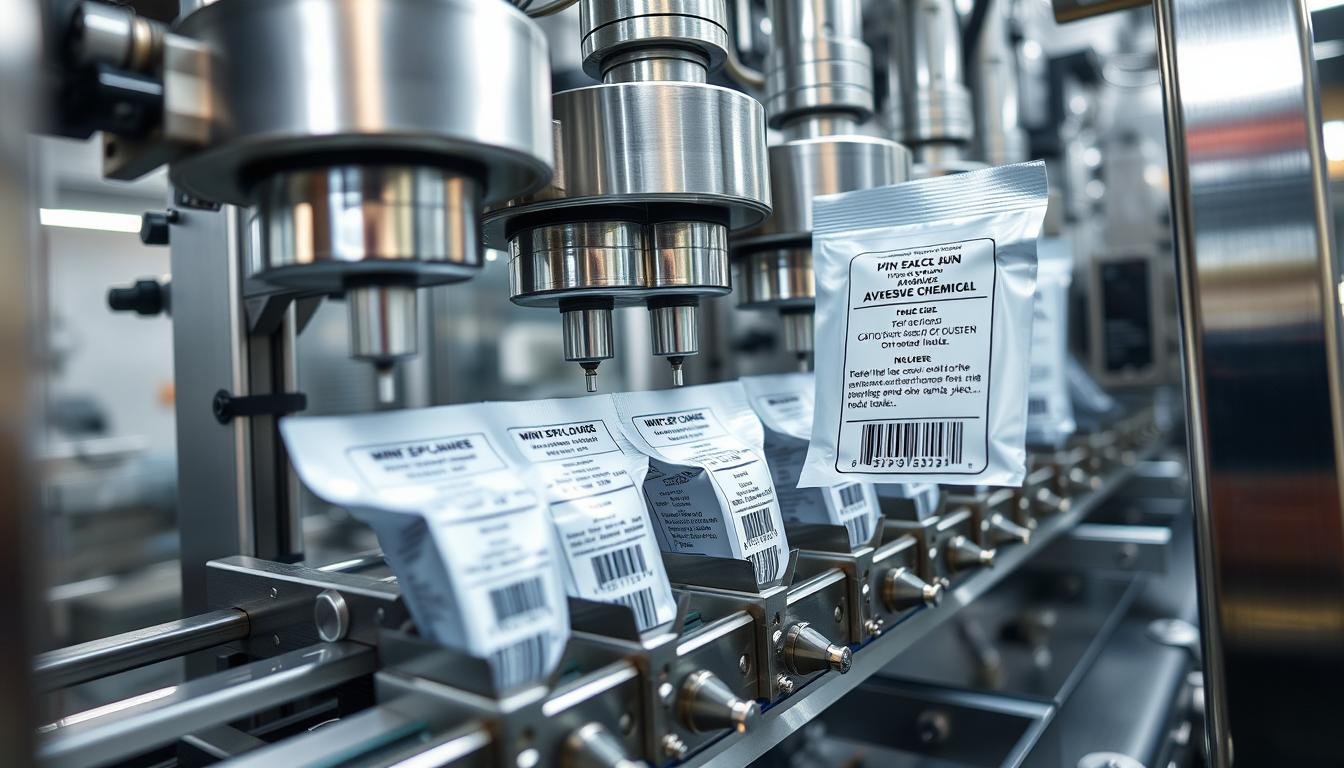
What are Sachets: Validating Film Compatibility with Aggressive Chemical Formulations
Have you ever wondered how tiny packets of liquid or powder survive intense chemical interactions without breaking down? Understanding what are sachets reveals a fascinating world of precision engineering in packaging technology.
Do you know What are Sachets and how Sachets represent a critical packaging solution designed to protect and deliver various products safely. When exploring sachets meaning, you’ll discover these compact containers are engineered to withstand complex chemical environments while maintaining product integrity.
Different types of sachets serve unique industrial purposes, ranging from household cleaning products to pharmaceutical applications. What are Sachets that Wintech Package specializes in creating flexible packaging solutions that can handle aggressive chemical formulations while meeting stringent consumer safety standards.
The science behind What are Sachets involves intricate film compatibility testing. Manufacturers must ensure these small packages can contain volatile substances without degradation, leakage, or contamination.
Key Takeaways of What are Sachets
- Sachets are precision-engineered packaging solutions
- Film compatibility is crucial for chemical stability
- Multiple industries rely on specialized sachet technologies
- Material selection determines product performance
- Consumer safety drives packaging innovation
What Are Sachets: Definition and Applications
Sachets are compact, single-use packaging solutions that have revolutionized product delivery across multiple industries. These small, sealed containers provide precise portion control and protect contents from external contamination. When comparing sachets vs packets, sachets typically offer more versatility and specialized design for specific applications.
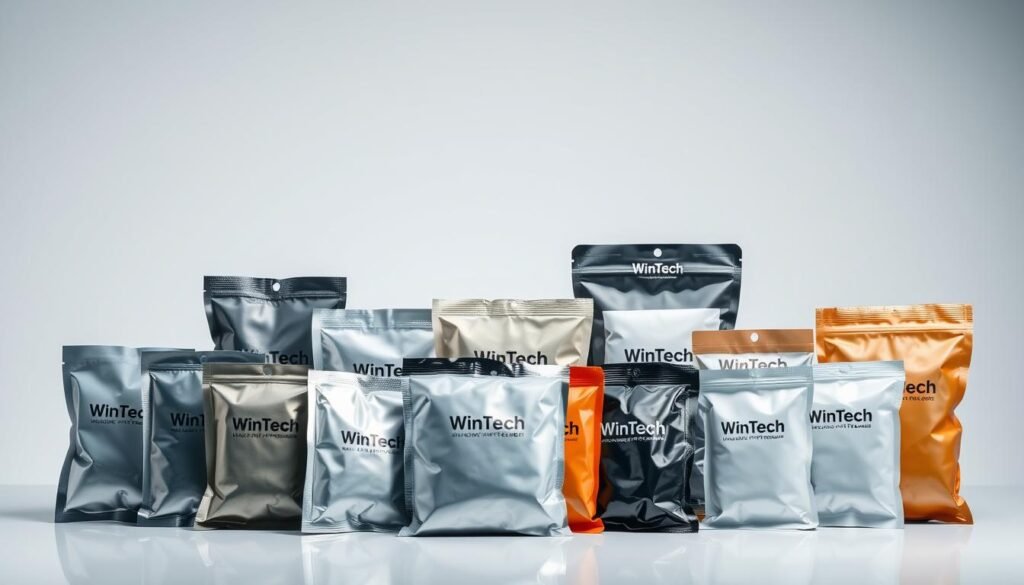
Understanding what are sachets involves recognizing their incredible adaptability. Single-use sachets have become increasingly popular due to their convenience and efficiency in delivering precise quantities of products.
The Versatility of Sachets
Sachets serve diverse purposes across different sectors. Their applications range from:
- Food industry condiment packages
- Pharmaceutical medication doses
- Cosmetic sample distributions
- Cleaning product portioning
Common Uses of Sachets in Industries
Different industries leverage sachets for unique purposes. Biodegradable sachets are gaining prominence as environmentally conscious alternatives to traditional packaging methods.
| Industry | Sachet Application | Key Benefit |
|---|---|---|
| Food Service | Condiment packaging | Portion control |
| Pharmaceuticals | Medication doses | Precise dosing |
| Cosmetics | Product samples | Consumer testing |
Types of Sachets
Sachet varieties include paper-based, foil-lined, and film-based packaging. Biodegradable sachets represent an innovative solution addressing environmental concerns while maintaining product integrity.
Whether you’re considering single-use sachets for personal or industrial applications, understanding their unique characteristics can help you make informed packaging decisions.
What Are Sachets: Importance of Film Compatibility
Understanding film compatibility is crucial when designing sachets for packaging, especially in sensitive industries like skincare. Your product’s performance depends heavily on the interaction between the sachet material and its contents.

What are sachets if they cannot protect their contents effectively? Film compatibility determines the sachet’s ability to preserve product integrity, prevent chemical degradation, and maintain the quality of enclosed materials.
Performance Impact of Film Selection
When developing sachets for skincare or other sensitive applications, manufacturers must consider several critical compatibility factors:
- Chemical interaction potential
- Barrier protection levels
- Material resistance to environmental conditions
- Long-term stability requirements
Key Compatibility Factors
The compatibility of sachets in packaging depends on multiple interconnected elements:
- Chemical composition of the product
- pH levels of the formulation
- Storage temperature ranges
- Anticipated shelf life
Comprehensive Testing Methods
Professional package engineering laboratories employ rigorous testing protocols to validate film compatibility. These methods simulate long-term product-package interactions, ensuring optimal performance and safety.
Effective compatibility testing prevents potential product contamination and maintains consumer trust.
By meticulously evaluating sachets’ film properties, manufacturers can develop packaging solutions that protect product quality and enhance user experience across various industries.
What Are Sachets: Choosing the Right Material
Selecting the ideal material for sachets is crucial for product preservation, safety, and consumer convenience. Whether you’re packaging food sachets or creating sachets for travel, the right material can make a significant difference in product quality and user experience.

What are sachets made of? The material selection depends on several critical factors that impact product integrity and performance.
Types of Materials for Sachets
- Aluminum Foil: High barrier protection
- Multilayer Plastic Films: Flexible and lightweight
- Paper-based Materials: Eco-friendly options
- Composite Materials: Enhanced protection
Understanding Material Properties
When choosing materials for food sachets or sachets for travel, consider these key properties:
| Property | Importance | Impact |
|---|---|---|
| Barrier Protection | Prevents moisture and oxygen | Extends product shelf life |
| Sealability | Ensures package integrity | Prevents contamination |
| Weight | Affects shipping and portability | Critical for travel sachets |
Best Practices for Selecting Sachet Materials
Your material choice should balance three key considerations:
- Product Compatibility
- Environmental Protection
- Cost-Effectiveness
“The right sachet material is not just about packaging—it’s about preserving product quality and enhancing user experience.”
For optimal results, work with packaging experts who understand the nuanced requirements of different product types, from nutritional supplements to over-the-counter medications.
What Are Sachets: Innovations and Future Trends
The packaging industry is experiencing a transformative shift with sachets at the forefront of technological innovation. Biodegradable sachets are revolutionizing how companies approach product packaging, creating sustainable solutions that meet growing environmental demands. Your understanding of these advanced packaging technologies can help businesses make more responsible choices.
Sachets in packaging are now embracing cutting-edge materials that reduce environmental impact. ProActive Recyclable® solutions are emerging as game-changers, offering manufacturers the ability to create packaging that is both functional and eco-friendly. These innovations address critical challenges in waste management while maintaining product integrity and performance.
Advances in Sachet Technology
Smart packaging technologies are dramatically changing sachet design. Advanced materials now incorporate sensors and intelligent tracking mechanisms, enabling enhanced product safety and user experience. You can expect future sachets to provide real-time information about product freshness, temperature, and potential contamination.
Sustainability Considerations for Sachets
Environmental consciousness is driving significant changes in sachet development. Manufacturers are investing heavily in biodegradable sachets that break down efficiently without compromising product quality. Companies like Wintech Package are leading research into sustainable packaging solutions that minimize ecological footprints while meeting strict industry standards.
The Future of Sachet Applications in Various Industries
The versatility of modern sachets extends across multiple sectors, from pharmaceuticals to food and personal care. As technology advances, you will see increasingly specialized sachets designed for precise applications, offering enhanced protection, improved user convenience, and reduced environmental impact.